


Planning for 2026? Here's How to Pick the Best Breast Pump Before Your Baby Arrives
Planning for 2026? Here's How to Pick the Best Breast Pump Before Your Baby Arrives
Expecting a baby in 2026? Congratulations! As you prepare your nursery, register for gifts, and check off your to-do list, one essential item deserves careful consideration: your breast pump.
Explore Breast PumpsThe good news? Today's breast pumps are smarter, quieter, and more comfortable than ever before. From wearable models that fit discreetly in your bra to powerful options that maximize milk output, there's a perfect pump waiting for every lifestyle and budget. This guide will walk you through everything you need to know to make the best choice for your 2026 journey into motherhood.

Why Choosing Your Breast Pump Now Matters
Many first-time moms wait until after delivery to think about pumping, but planning ahead offers significant advantages. Insurance coverage often requires advance paperwork, popular models can sell out during peak seasons, and having your pump ready means you can start building your milk supply from day one if needed. Plus, learning how to use your pump before sleep deprivation sets in makes the transition so much smoother.
The breast pump market has evolved dramatically in recent years. What once meant being tethered to a loud machine now includes options for true mobility and discretion. Whether you're preparing your baby registry or making your first major baby gear purchase, understanding your options helps you invest wisely in a tool you'll likely use daily for months.
Understanding Breast Pump Types: Finding Your Perfect Match
Before diving into specific models, let's break down the main categories of breast pumps available in 2026. Each type serves different needs, and understanding these distinctions helps narrow your search significantly.
Manual Breast Pumps: Simple and Budget-Friendly
Manual pumps require hand operation but offer unbeatable portability and affordability. They're whisper-quiet, need no power source, and work perfectly for occasional pumping or as a backup option. If you're planning to primarily breastfeed directly and only pump occasionally, or if you want an emergency pump to keep in your diaper bag, a manual pump might be all you need.
The main trade-off? Manual pumping takes more time and effort than electric options. Your hand may tire during longer sessions, and expressing from both breasts sequentially rather than simultaneously adds to pumping time. However, for moms who pump infrequently or need a travel-friendly backup, manual pumps deliver excellent value.
Electric Breast Pumps: Power and Efficiency
Electric breast pumps do the work for you, using a motor to create suction that mimics your baby's natural nursing rhythm. Double electric pumps allow you to express from both breasts simultaneously, cutting your pumping time in half—a game-changer for busy moms or those building a freezer stash.
Modern electric pumps feature adjustable suction levels and speed settings, letting you customize comfort and effectiveness. Many include memory functions that save your preferred settings, rechargeable batteries for cord-free operation, and even app connectivity to track your pumping sessions. If you plan to pump regularly, whether for work, travel, or simply to share feeding duties, an electric pump's efficiency makes it worth the investment.
Wearable Breast Pumps: The Freedom Revolution
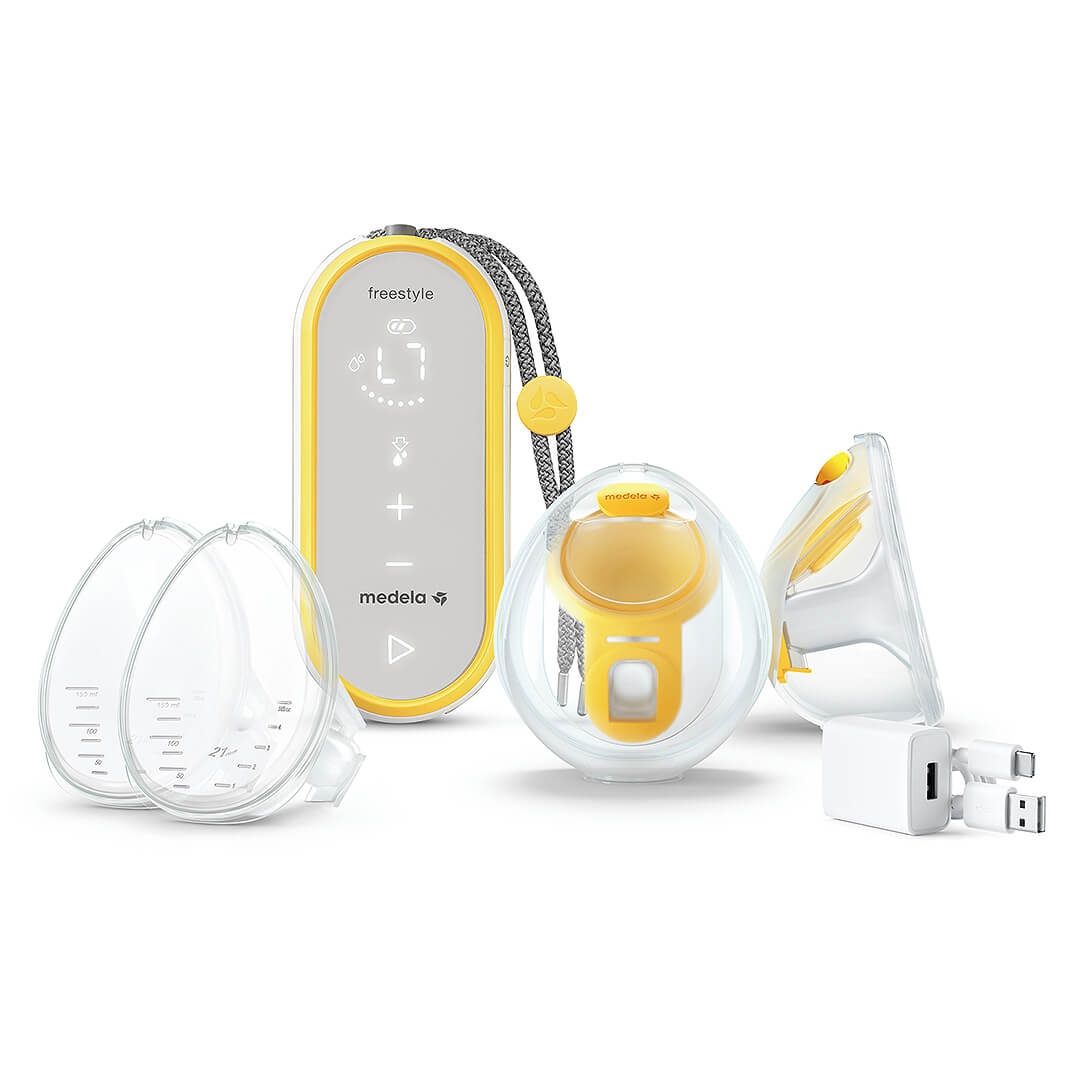
Wearable breast pumps have transformed what's possible for pumping moms. These compact devices fit inside your nursing bra, letting you pump completely hands-free while you work, play with your toddler, prepare meals, or attend that video conference. No tubes, no cords, no awkward positioning—just discreet milk expression on your terms.
The technology behind wearable pumps has improved dramatically, with quieter motors, longer battery life, and better milk output than early models. The Elvie Double Electric Silent Breast Pump represents the cutting edge of this technology. While they typically cost more than traditional electric pumps, many moms consider them invaluable for the flexibility they provide.
Hospital-Grade Breast Pumps: Maximum Power
Hospital-grade breast pumps deliver the strongest suction and most advanced technology available. Originally designed for NICU use and mothers with low milk supply, these pumps are built for frequent, long-term use and can support multiple users with individual accessory kits. Many moms rent hospital-grade pumps through their insurance or lactation consultants rather than purchasing them outright.
You might consider a hospital-grade pump if you're expecting multiples, have a premature baby, struggle with milk supply, or exclusively pump. Their powerful motors and customizable settings can make a significant difference in milk output and supply establishment. However, they're typically larger and more expensive than personal-use pumps, so they're not the right choice for everyone.
Key Features to Consider Before You Buy
Once you've identified which type of pump suits your lifestyle, several specific features can make or break your daily pumping experience. Here's what to prioritize as you compare models and read reviews.
Suction Strength and Adjustability
Stronger isn't always better when it comes to breast pump suction. You need a pump powerful enough to effectively empty your breasts but gentle enough to avoid pain or damage. The best pumps offer multiple suction levels—typically between 5 and 12 settings—allowing you to find your sweet spot for comfort and efficiency.
Look for pumps with separate controls for suction strength and cycle speed. Your ideal settings may change throughout your pumping session or as your milk supply adjusts over time. The ability to fine-tune these settings prevents nipple soreness while maximizing milk output, making each pumping session as comfortable and productive as possible.
Flange Fit and Sizing
Perhaps the most overlooked factor in pumping comfort is flange fit. The flange—the funnel-shaped part that fits over your breast—should create a comfortable seal without causing pinching, rubbing, or restricted milk flow. Many pumps include standard 24mm flanges, but breast anatomy varies widely, and you may need sizes ranging from 21mm to 36mm for optimal fit.
Signs your flange doesn't fit properly include pain during pumping, nipple rubbing against the flange walls, poor milk output, or visible nipple damage. Many brands now offer flange sizing guides or tools to help you measure, and lactation consultants can assess fit during your first pumping sessions. Products like the Spectra Wide Breast Shield Set provide alternative sizing options to ensure proper fit.

Noise Level: Pumping with Discretion
If you plan to pump at work, around sleeping family members, or in public spaces, noise level matters tremendously. Traditional breast pumps can sound like small vacuum cleaners, while newer models—especially wearable pumps—operate at whisper-quiet levels around 40-50 decibels, comparable to library conversation.
Read reviews specifically mentioning noise levels, and if possible, watch video demonstrations to hear pumps in action. A quieter pump gives you more freedom to pump anywhere without feeling self-conscious or disturbing others. This feature becomes especially valuable during nighttime pumping sessions when you're trying not to wake your partner or baby.
Cleaning and Maintenance Requirements
You'll clean your breast pump parts after every use, potentially 6-8 times daily in the early months. Pumps with fewer parts and simpler designs save significant time and frustration. Look for pumps with dishwasher-safe components, wide openings for easy scrubbing, and clear instructions for sterilization.
Consider whether the pump uses a closed system, which prevents milk from backing up into the tubing and motor. Closed systems are more hygienic and require less cleaning than open systems, though they may cost slightly more. The time you save on cleaning adds up quickly, making this feature worth prioritizing if you'll pump frequently.
Portability and Battery Life
Where will you primarily pump? If you're mainly pumping at home near outlets, portability matters less. But if you'll pump at work, while traveling, or anywhere without reliable power access, you need strong battery life and compact design. The best portable pumps like the Spectra 9 Plus offer at least 3-5 pumping sessions per charge and fit easily in your work bag or purse.
Some pumps include car adapters for charging on the go, while others use standard USB charging compatible with power banks. If portability is a priority, check the pump's weight and dimensions, and verify that it comes with a carrying case or bag for protection during transport.
Top Breast Pump Picks for 2026
Based on performance, comfort, features, and value, here are our recommended breast pumps for expectant parents planning for 2026. Each excels in different scenarios, so consider which aligns best with your anticipated lifestyle and pumping needs.
Best Overall
Elvie
Double Electric Silent Breast Pump
$549.99
The Elvie represents the cutting edge of wearable pump technology. What sets it apart is its truly wearable design—it fits completely inside your nursing bra with no external tubes or wires. The whisper-quiet motor means you can pump anywhere without drawing attention. The accompanying smartphone app tracks milk volume in real time, maintains pumping history for each breast, and offers remote control functionality.
The Elvie automatically switches from stimulation to expression mode when it detects let-down and pauses when the 5-ounce collection bottle is full. With only 5 parts to clean and easy assembly, it streamlines your routine. The package includes two complete pump units, multiple flange sizes (24mm and 28mm), and USB charging cables. At 14.8 ounces per unit, it's remarkably lightweight and undetectable under clothing.
Best for: Working moms, multitasking parents, anyone who values discretion and mobility
above all else.
Best Value
Medela
Pump In Style Hands-Free Breast Pump
$199.00
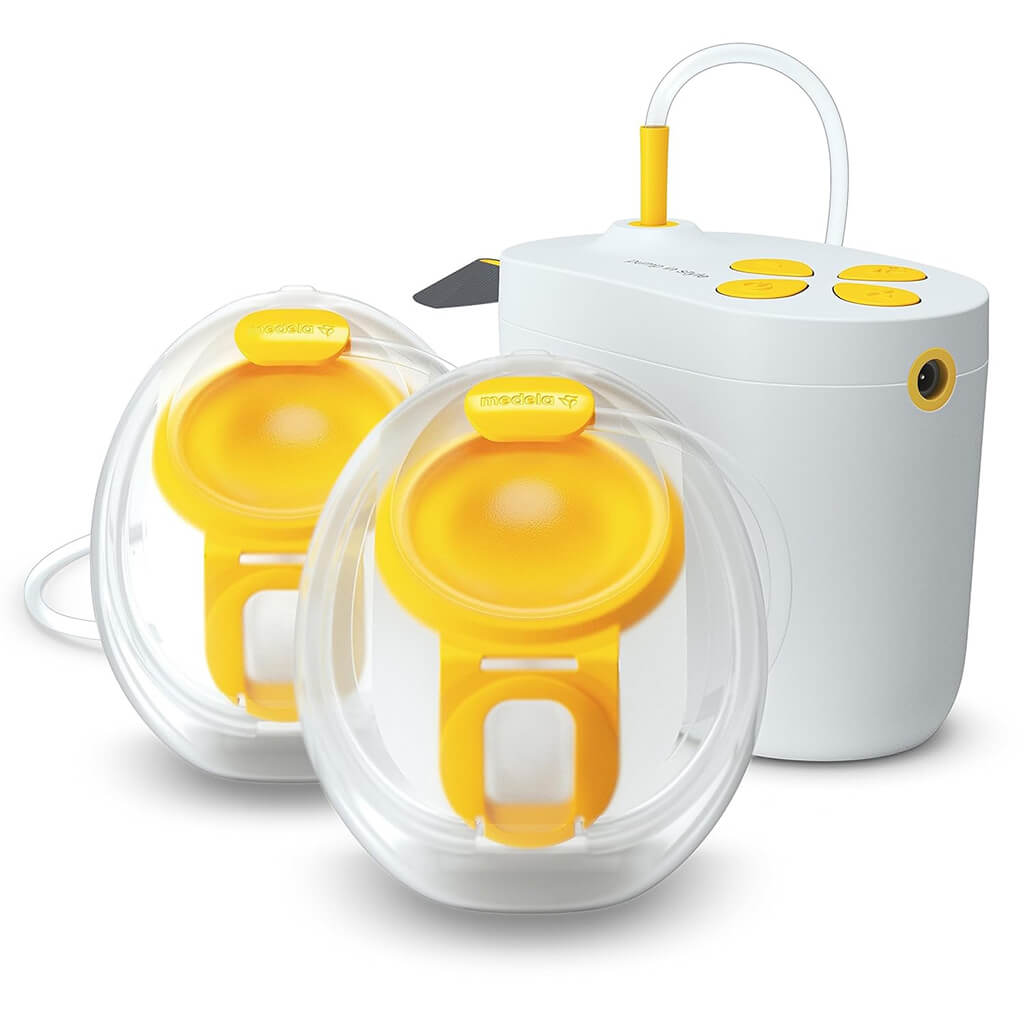
The Medela Pump In Style delivers hospital-grade performance at a fraction of the cost of premium wearable pumps. This double electric pump features Medela's trusted 2-Phase Expression technology, which mimics your baby's natural sucking rhythm for more efficient milk removal. The anatomically designed hands-free cups sit at a 105-degree angle, clinically proven to increase milk volume by 11.8% compared to standard breast shields.
With only 3 parts per cup to clean, maintenance is simple, and the cups are dishwasher safe. The ultra-lightweight collection cups (just 2.7 ounces each) fit comfortably and discreetly under your bra, while the separate pump motor provides 10 adjustable suction levels with Maxflow technology for effective milk removal. The cups stand vertically to prevent spills and feature an easy-pour spout. A battery pack is included for pumping away from outlets.
Best for: Budget-conscious moms, those who primarily pump at home or work, parents
seeking proven performance and reliability.
Best for Portability
Spectra
9 Plus Portable and Rechargeable Electric Breast Pump
$194.00
The Spectra 9 Plus is the sleekest model in Spectra's lineup, designed specifically for moms who need serious portability without sacrificing performance. At just half a pound, it's incredibly easy to transport wherever your day takes you.
Despite its compact size, the 9 Plus delivers strong suction up to 260 mmHg and can function as either a single or double pump depending on your needs. The rechargeable battery eliminates the need to stay near outlets, and the LCD screen makes it easy to monitor settings and adjust suction levels. Each pump comes with two 24mm breast flanges, complete tubing, duckbill valves, backflow protectors, and wide-neck storage bottles with all necessary accessories.
Best for: Frequent travelers, minimalist parents, moms pumping at work or on-the-go,
anyone seeking a compact yet powerful option.
Best Wearable Alternative

Medela
Freestyle Hands-Free Electric Breast Pump
$350.00
The Medela Freestyle is the smallest and first wearable hands-free breast pump from Medela, designed for moms who want to multitask while pumping. This pump features ultra-lightweight collection cups (2.7oz each) among the lightest available, designed to fit comfortably and discreetly inside your bra. The separate pump motor stays in your pocket instead of weighing on your breast, providing superior comfort during extended pumping sessions.
With only 3 parts per cup to clean and dishwasher-safe components, maintenance is simple. The transparent design allows easy nipple alignment and lets you see when milk is flowing. The USB-rechargeable built-in battery provides convenient pumping wherever you are, and smart connectivity to the Medela Family app allows you to create a personalized profile tailored to your needs. The 2-Phase Expression technology mimics baby's natural sucking rhythm for efficient and comfortable pumping.
Best for: Moms seeking wearable convenience at mid-range pricing, Medela brand loyalists,
parents who want hands-free pumping with proven technology.
Your Step-by-Step Breast Pump Decision Guide
Feeling overwhelmed by options? Follow these five simple steps to identify your perfect breast pump match for 2026.
1
Assess Your Pumping Frequency
Be honest about how often you'll realistically pump. Returning to work full-time? You'll pump multiple times daily and need an efficient electric pump. Staying home and occasionally pumping? A manual pump or basic electric might suffice. Exclusively pumping? Consider a hospital-grade option with maximum power and comfort features.
2
Consider Your Primary Pumping Locations
Where will you pump most often? At home near power outlets, your options are wide open. Pumping in an office without private space? Discretion and noise level become critical. Traveling frequently? Portability and battery life top your priority list. Pumping while caring for other children? Hands-free operation becomes essential.
3
Set Your Budget
Breast pumps range from $40 for basic manual models to over $500 for premium wearable options. Before you shop, determine what you can comfortably invest. Remember that most insurance plans in the United States cover at least one breast pump, though covered models vary by plan. Contact your insurance provider to understand your benefits before making assumptions.
4
Read Reviews and Watch Demonstrations
Once you've narrowed your choices to 2-3 models, dive deep into reviews from moms with similar needs. Look beyond star ratings to read detailed experiences addressing your specific concerns—noise level, comfort, durability, customer service, and real-world performance over months of use. YouTube offers countless breast pump review videos showing pumps in action.
5
Check Return Policies and Warranty Coverage
Even with thorough research, sometimes a pump doesn't work out due to fit issues, milk supply challenges, or unexpected lifestyle changes. Before purchasing, verify the store's return policy for breast pumps. Also check the manufacturer's warranty coverage—quality pumps typically include at least a one-year warranty on the motor.
Insurance Coverage: Getting Your Pump Paid For
Thanks to the Affordable Care Act, most health insurance plans in the United States cover breast pumps as preventive care at no cost to you. However, navigating insurance coverage can feel confusing. Here's what you need to know to maximize your benefits.
Start by contacting your insurance company's customer service line at least 2-3 months before your due date. Ask specifically about breast pump coverage: which brands and models are covered, whether you have a choice among multiple options, if upgrades are available for additional cost, and what documentation you need to submit for coverage.
Some insurance plans work with durable medical equipment (DME) suppliers who provide approved pumps directly. Others reimburse you for pumps purchased from any retailer. If you have flexibility in where you purchase, buying from specialized baby retailers like Nini and Loli often provides better customer service and product knowledge than large DME suppliers.
If your insurance plan covers a basic model but you want to upgrade to a premium option, many providers allow you to pay the difference out of pocket. Ask about upgrade options and whether accessories like additional flanges, bottles, or carrying cases are covered separately from the pump itself.
Essential Breast Pump Accessories
Your breast pump doesn't work in isolation—the right accessories make pumping more comfortable, efficient, and convenient. Here are must-have items to add to your registry or purchase alongside your pump.
Extra Parts and Flanges
Pump parts wear out over time, and having backups means you're never stuck with dirty parts when you need to pump. Purchase at least one complete extra set of flanges, valves, membranes, and bottles. This lets you pump more frequently without constant washing, or maintain a spare set at work so you don't have to transport dirty parts daily.
Also consider purchasing flanges in multiple sizes like the Spectra Wide Breast Shield Set. Your correct size may change as your milk supply regulates, or you might benefit from different sizes for different times of day. Proper flange fit makes an enormous difference in comfort and milk output.
Breast Milk Storage Solutions
You'll need somewhere to store expressed milk, whether you're building a freezer stash or just saving today's pumping for tonight's feeding. Breast milk storage bags provide space-efficient freezer storage, while bottles work better for refrigerator storage and immediate feeding.
Look for storage bags specifically designed for breast milk with secure seals, clear volume markings, and a spot to write dates. Many pumps work with specific bottle types, so check compatibility before purchasing large quantities of bottles to ensure they attach directly to your pump. The Medela Breastmilk Feeding Gift Set provides bottles and storage containers designed to work seamlessly with Medela pumps.
Pumping Bras and Clothing
A good pumping bra transforms your experience by freeing your hands during pumping sessions. Look for nursing bras with strategic openings that accommodate your pump's flanges while providing adequate support. Some moms prefer dedicated pumping bras with built-in holes for flanges, while others choose nursing bras that work for both pumping and feeding.
If you'll pump at work, consider your wardrobe carefully. Dresses without waist access make pumping challenging, while two-piece outfits with loose tops work perfectly. Some moms invest in a dedicated pumping shawl or poncho for additional privacy and coverage when pumping in semi-public spaces.
Cleaning and Sanitizing Supplies
Breast pump parts require thorough cleaning after each use to prevent bacterial growth. A dedicated basin for washing pump parts keeps them separate from dishes, while a drying rack with small pegs accommodates tiny valves and membranes. Consider purchasing a microwave steam sterilizer bag for quick sanitization or a countertop sterilizer if you prefer not to boil parts.
Many moms keep a set of cleaning supplies in a caddy near their primary pumping location, making the process faster and more organized. Include bottle brushes, small detail brushes for valves, dish soap designed for baby items, and paper towels or clean cloths for drying.
Portable Cooler and Ice Packs
If you pump away from home, you need a way to keep milk cold until you return. Small coolers designed for breast milk with refreezable ice packs maintain safe temperatures for 24 hours, giving you confidence your milk stays fresh during commutes, workdays, or travel.
Look for insulated bags sized appropriately for your typical milk output. Some cooler bags include compartments for pump parts and personal items, consolidating everything into one carry solution. This is especially valuable if you're pumping at work and need to transport everything daily.
Common Breast Pumping Challenges and Solutions
Even with the perfect pump, most moms encounter challenges at some point in their pumping journey. Understanding common issues and their solutions helps you troubleshoot effectively rather than assuming something is wrong with you or your pump.
Low Milk Output
If you're not getting much milk when you pump, several factors could be at play. First, verify your flange size is correct—poor fit is the most common cause of inefficient pumping. Check that all pump parts are assembled correctly and that valves and membranes aren't worn out or installed backwards.
Milk output varies throughout the day, with most women producing more milk in the morning. Try pumping after your baby's first morning feeding when your breasts are fullest. Stay hydrated, reduce stress where possible, and consider power pumping sessions (pumping for 10 minutes, resting 10 minutes, repeating for an hour) to signal your body to increase supply.
Pain or Discomfort While Pumping
Pumping should never hurt. If you experience pain, stop immediately and assess the situation. Are your flanges too small, causing your nipples to rub against the sides? Is the suction set too high? Are you pumping too frequently without allowing your breasts to recover?
Start with the lowest suction setting and gradually increase only to the point of comfort. Use coconut oil or lanolin nipple cream if you experience soreness, and take breaks if you need to heal. Consult a lactation consultant if pain persists despite troubleshooting.
Decreasing Supply Over Time
Some moms notice their pumping output decreases after weeks or months of consistent pumping. This can happen due to less frequent pumping, worn pump parts reducing suction efficiency, or natural supply regulation. Replace all washable pump parts every 3-6 months, or sooner if you notice reduced suction.
Maintain consistent pumping frequency even as your baby's needs change. Your body responds to the demand you create, so reducing pumping sessions signals your body to make less milk. If you need to protect your supply while reducing pumping, drop sessions gradually rather than abruptly.
Difficulty Pumping Away from Baby
Many moms find it harder to let down and pump efficiently when separated from their babies. This is completely normal—your letdown reflex is triggered by physical and emotional cues that pumps can't replicate. Looking at photos or videos of your baby, smelling their clothing, or listening to recordings of their sounds can help trigger letdown.
Create a pumping ritual that signals your body it's time to release milk. This might include deep breathing, breast massage, warm compresses like Instant Heat Breast Warmers, or always pumping in the same location with the same setup. The more you establish this routine, the easier letdown becomes even without your baby present.
Preparing to Pump: Before Your Baby Arrives
While you can't practice pumping until after delivery, you can prepare in ways that set you up for success from the very start. Here's what to do during your final weeks of pregnancy.
Read Your Pump's Manual
Yes, actually read it before your baby arrives. Familiarize yourself with assembly, cleaning instructions, troubleshooting tips, and warranty information while you're not sleep-deprived and juggling a newborn. Practice assembling and disassembling your pump so it becomes second nature.
Watch online tutorials specific to your pump model to see real moms using it in action. Many manufacturers provide video guides covering everything from basic operation to advanced features and common mistakes.
Set Up Your Pumping Station
Designate a comfortable spot where you'll primarily pump at home. Keep all your supplies organized and within reach: pump, parts, storage containers, cleaning supplies, water bottle, snacks, phone charger, and entertainment. Having everything in one place eliminates the frustration of hunting for items while you're trying to pump.
If you'll pump at work, prepare a portable kit with your pump, spare parts, storage cooler, and cleaning supplies. Consider using a rope diaper caddy to organize your pumping station—they're perfect for keeping all your supplies in one place. Keep it packed and ready to grab each morning so you never forget essential items.
Talk to Your Employer
If you'll return to work, discuss pumping accommodations with your employer before your leave ends. Federal law requires employers to provide reasonable break time and a private space (not a bathroom) for pumping, but having these conversations early ensures everything is arranged when you need it.
Tour the designated pumping space if possible, and verify it has electrical outlets, comfortable seating, a small table for your pump, and a way to lock the door or ensure privacy. If the space is inadequate, speak up early so adjustments can be made before your return.
Connect with Lactation Support
Even with the perfect pump, breastfeeding and pumping challenges arise. Identify lactation resources before delivery: hospital lactation consultants, local La Leche League groups, International Board Certified Lactation Consultants (IBCLCs) in your area, and online support communities.
Many moms benefit from scheduling a postnatal lactation consultation within the first week after birth to establish good latch, verify milk transfer, and get hands-on help with pumping if needed. Having this appointment scheduled before delivery ensures you get support before small issues become big problems.
Beyond the Pump: Building Your Complete Feeding Support System
Your breast pump is just one piece of your baby feeding puzzle. Creating a comprehensive support system ensures you have everything needed for successful breastfeeding and pumping, whatever challenges arise.
Stock your nursery with comfortable seating for nursing and pumping, including proper back support and armrests. Keep water bottles in multiple rooms since breastfeeding and pumping increase thirst significantly. Have snacks readily available because milk production requires extra calories, and hunger often strikes during feeding sessions.
Consider your complete baby feeding setup, including bottles compatible with your pump, nipples with appropriate flow rates, bottle brushes, and a sterilization system. Having these items ready before your baby arrives eliminates last-minute shopping trips when you're exhausted and overwhelmed.
Don't forget about your comfort and recovery. Nursing-friendly clothing, comfortable bras, nipple cream, breast pads for leaking, and a nursing pillow all contribute to a better feeding experience. Many of these items make excellent additions to your baby registry.
Your 2026 Pumping Journey Starts Now
Choosing the right breast pump is one of the most practical decisions you'll make during pregnancy. The perfect pump supports your feeding goals, fits your lifestyle, and makes the demanding work of nourishing your baby more manageable. Whether you invest in a premium wearable pump for maximum flexibility, a reliable electric workhorse for daily use, or a simple manual pump for occasional needs, the right choice is the one that works for your unique situation.
Remember that no single pump is objectively "best"—the best pump is the one you'll actually use consistently and comfortably. Trust your research, listen to your instincts, and know that you can always adjust your approach as you learn what works for you and your baby.
Explore Breast Pumps at Nini and LoliFrequently Asked Questions
When should I buy my breast pump?
Ideally, purchase your breast pump during your second trimester (around 20-24 weeks) to allow time for insurance processing, learning how to use it, and ensuring you have it ready before delivery. This timeline also gives you flexibility to exchange or troubleshoot any issues before your baby arrives.
How long do breast pumps typically last?
Quality electric breast pumps last 6-12 months of daily use, while hospital-grade pumps are designed for years of use. Manual pumps can last indefinitely with proper care. Replace washable parts (valves, membranes, tubing) every 3-6 months regardless of pump type to maintain optimal suction and hygiene.
Can I share my breast pump with another mom?
Only hospital-grade multi-user pumps designed for sharing should be used by multiple people, and only with individual accessory kits. Personal-use pumps cannot be properly sterilized between users and may harbor bacteria or viruses in the motor, creating health risks for subsequent users.
Do I need to pump if I'm exclusively breastfeeding?
Not necessarily, but many exclusively breastfeeding moms find pumping valuable for building a freezer stash, relieving engorgement, maintaining supply during separation, or allowing partners to feed the baby. A manual pump or basic electric pump suffices if you pump infrequently.
How do I know if my breast pump is working properly?
A properly functioning pump creates strong, consistent suction without unusual noises, maintains suction throughout the pumping session, and expresses milk efficiently (most moms get the majority of milk within 10-15 minutes of double pumping). If you notice decreased suction, strange sounds, or dramadamente reducido output, check for worn parts or motor issues.
What if I can't afford a breast pump?
Check your insurance coverage first, as most plans cover at least one pump at no cost. If you're uninsured or your plan doesn't cover pumps, contact local WIC programs, hospitals, or lactation support groups about pump lending programs. Some organizations provide free or low-cost pumps to families in need.
Should I buy the same pump my friends recommend?
Friends' recommendations provide valuable insight, but your needs may differ from theirs. Consider your unique situation: pumping frequency, locations, budget, and priorities. What works perfectly for a stay-at-home mom who pumps occasionally differs dramatically from what a corporate executive pumping in her office needs.
Can I use my breast pump while pregnant?
Generally, no. Pumping and nipple stimulation can trigger uterine contractions, potentially causing preterm labor. Wait until after delivery unless your healthcare provider specifically recommends antenatal expression for medical reasons like diabetes or planned separation from your baby after birth.
Ready to start your pumping journey with confidence?
Browse our expert-curated selection of breast pumps at Nini and Loli, or visit our stores in Miami for personalized guidance from our knowledgeable staff. We carry top brands including Elvie, Medela, Spectra, and FridaBaby accessories. We're here to support you every step of the way as you prepare for your 2026 baby!