


The water is running, towels are stacked, and your toddler has suddenly found a fresh reserve of energy just when the evening routine should be winding down. A small, purposeful bath activity can help turn that restless moment into something familiar. The Munchkin Fishin' Bath Toy gives toddlers a simple goal, catch the floating pieces, celebrate the catch, and start again.
It's a compact playset, not a complicated gadget. Read on for practical guidance about age suitability, supervision, cleaning, and everyday use, then shop the Munchkin Fishin' Bath Toy if its play pattern fits your family's routine.
What the Munchkin Fishin' Bath Toy Is and Why Kids Love It
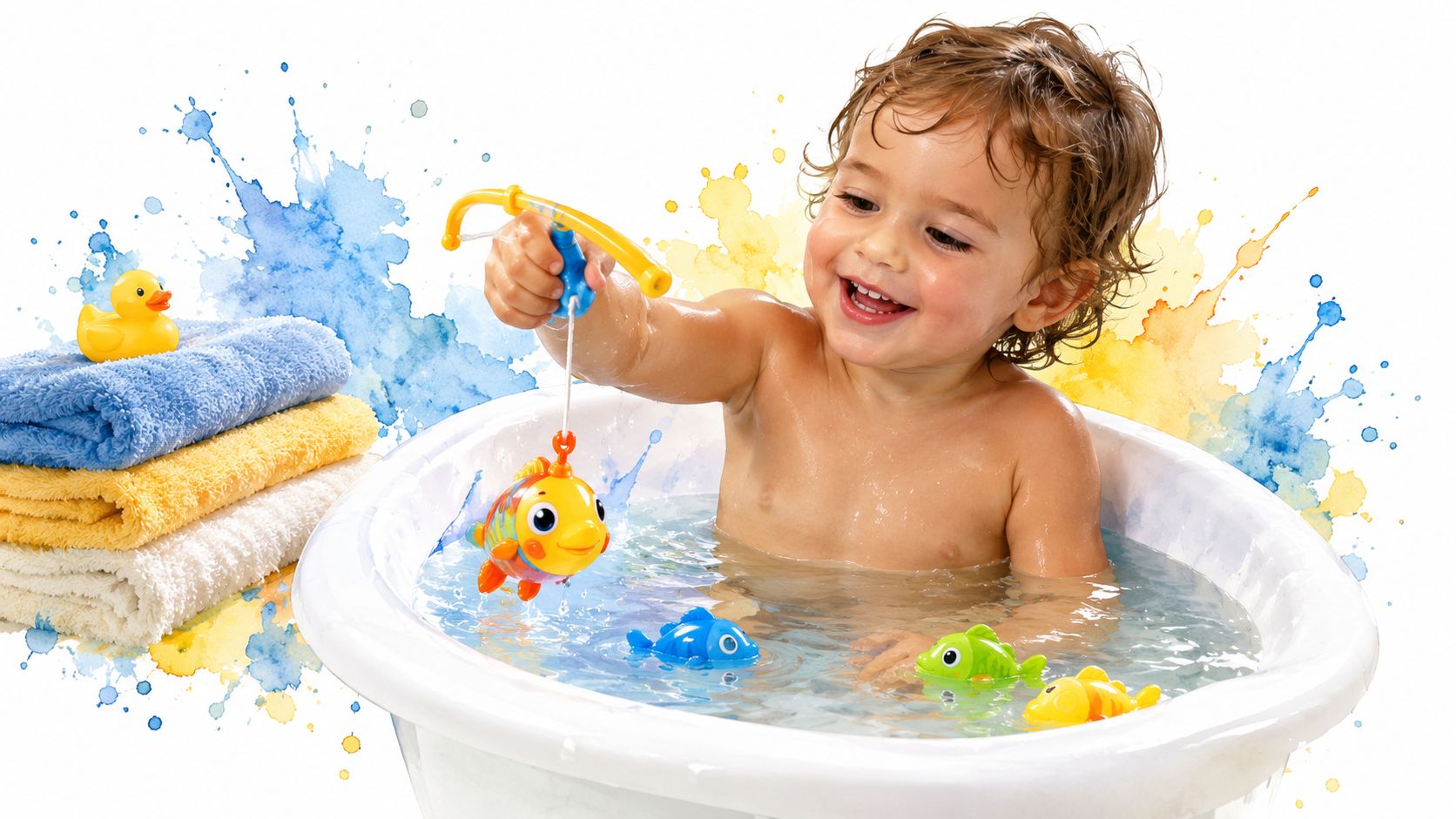
The Munchkin Fishin' Bath Toy gives toddlers one clear task in the tub: catch floating bobbers with a magnetic rod. The set includes one magnetic fishing rod and three underwater bobbers, making four pieces for children aged 2 years and up. The product listing explains the play pattern straightforwardly: the bobbers float, and your child fishes them out.
That clear sequence fits naturally into the bath-time ritual. Your toddler lowers the rod, lines it up, feels the catch, lifts the piece, and releases it back into the water. Like turning a familiar page in a bedtime book, the repeated pattern gives the routine a recognizable rhythm while leaving room for practice.
A small ritual with repeat value
The metal and plastic construction, compact form, and light weight suit toddler hands. Retail specifications describe the set as roughly 10.0 x 3.0 x 2.5 inches and about 0.53 lb, so the pieces remain easy to see and handle beside the bathwater. Retail specifications also describe the bobbers as airtight.
That sealed construction supports regular bath use by limiting water left inside the bobbers. After play, keep the pieces where they can drain and dry fully as part of the usual bath reset. For a softer companion piece within the same routine, explore the Calisson bath toy from Sophie la Girafe.
Bright bobbers are easy to track, and catching them gives a toddler a small, repeatable success. Parents looking for related observation, sorting, and cause-and-effect ideas can use this toddler science toys guide.
How the Magnetic Fishing Mechanic Works at Bath Time
The fishing action is easiest to understand when you break it into small movements. Your toddler doesn't need a long explanation. Show the sequence once, then let them discover the satisfying part for themselves.
- Float the bobbers. Place the three pieces on calm water where your child can see them clearly.
- Lower the rod. Help your toddler hold the rod above a bobber and bring the magnetic end down slowly.
- Find the target. The rod needs to line up with the metal area on the bobber. A quick sweep may miss, while a controlled movement gives the magnet a better chance to connect.
- Feel the catch. The connection provides a small click and gentle resistance.
- Lift and release. Your child raises the rod, moves the bobber to the side of the tub or a nearby cup, and drops it in.
Why the water changes the experience
Water slows the pieces slightly, so a toddler can't move with quite the same speed as they might on dry ground. That drag gives the activity a natural pace. Your child has time to watch the target, adjust their hand, and notice what happens when the rod gets closer.
The click also gives immediate feedback. Your toddler doesn't have to guess whether the attempt worked, because the connection can be felt and seen. A parent might say, “You caught it,” while a sibling can name the bobber or count it as it goes into a cup.
A simple container can extend the play without changing the toy's basic use. If your child enjoys building and connecting activities outside bath time, you can also explore this magnetic construction set, keeping bath play and tabletop play as separate parts of the day.
Practical rule: Keep the water still when your child is learning. Fewer splashes make it easier to see the target and understand the catch.
Age Guidance and Safe Play for Toddlers
The Munchkin Fishin' Bath Toy is marketed for children aged 2 years and up, and listings also express the guidance as 24 months and up. Independent bath-toy testing identifies the set as suitable for ages 2+ and recognizes its place as a toddler-focused bath activity.
That age line makes practical sense. The fishing motion asks a child to hold a rod, aim it toward a floating target, adjust their hand position, and repeat the attempt after a miss. Younger children may be more likely to mouth the pieces, and the smaller components require closer attention from an adult.
What supervision looks like
Stay within arm's reach during bath play. Keep the opening part of the session calm and the water shallow enough for your child to sit securely while they learn the activity. Don't treat the age guidance as a substitute for supervision, especially if your toddler is still exploring objects with their mouth.
Before each bath, look over the rod and bobbers. Check for:
- Cracks or rough edges: Set the toy aside if the plastic appears damaged or could scratch small fingers.
- Loose components: Stop using the toy if a magnet or another part seems loose.
- Small rings or pieces: Expert commentary notes that the smaller toss-rings are not appropriate for very young children, so keep them away from children who might mouth them.
- Unusual wear: Sticky surfaces, sharp areas, or pieces that no longer stay attached deserve attention.
Empty the tub and remove the toy when the bath ends. Store it where children can't reach it without an adult. For more age-based play ideas, browse this guide to educational toys for toddlers age 2.
Cleaning and Care Between Baths
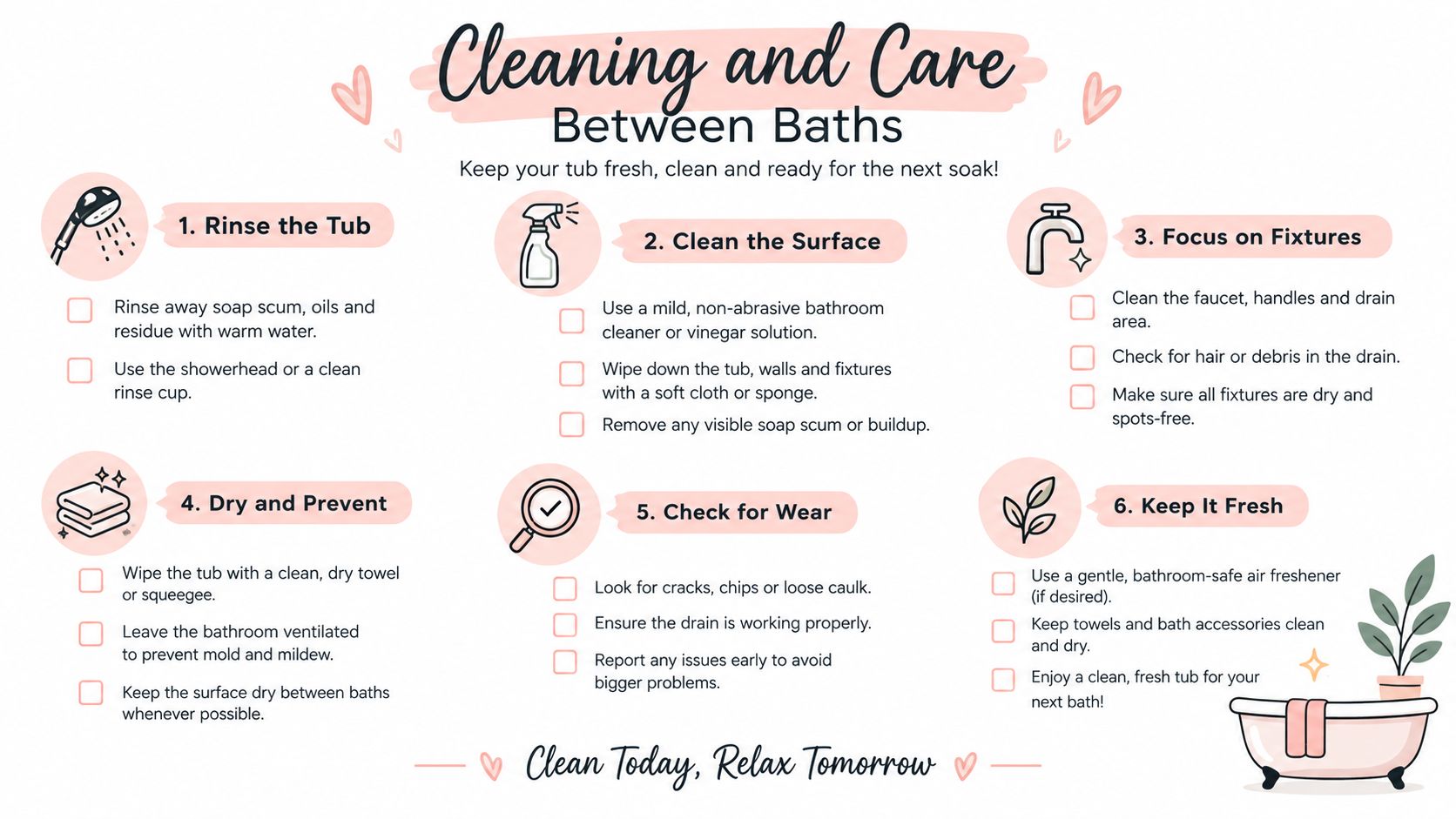
Bath care fits best into the final minutes of the routine. Once your child is out, empty any water trapped around the bobbers or rod before residue dries. Rinse every piece under warm running water, then spread the parts on a clean towel or mesh drying rack. Leave space around them so air can reach each surface.
A manageable maintenance rhythm
After regular use, wash the set with mild dish soap and a soft cloth. A small bottle brush can reach narrow openings, but use gentle pressure near the magnetic mouth and recessed areas. Rinse well, since leftover soap can cling to the plastic and return to the bath later.
A weekly check helps you catch problems early:
- Look for cloudiness: A new change in appearance may point to residue or wear.
- Feel the surfaces: Wash sticky areas again and rinse them thoroughly.
- Check the connection: Keep the magnetic area clean and secure.
- Assess the condition: Set aside any damaged piece instead of repairing it with glue or tape.
The airtight bobbers are intended to limit trapped water, yet they still need emptying and drying after each bath. Moisture left inside wet-play items can support microbial buildup. Air-drying is therefore the quiet step that keeps the care routine working, much like leaving a dish uncovered instead of putting it away damp.
Soft bath accessories need their own care routine. This guide explains how to wash plush toys without treating them like hard plastic bath pieces. Keep the ending of bath time simple with a dry towel and a comfortable hooded towel. NINI and LOLI also offers bath toys, bath care items, towels, and accessories in one bath and care collection, making it easier to gather what the routine requires.
Why Focused Bath Play Matters for Growing Toddlers
A toddler who is splashing may be enjoying the water, but a toddler who is fishing has a task to follow. They look at a floating target, guide the rod, adjust after a miss, and notice the result. The Munchkin Fishin' Bath Toy turns those ordinary movements into a repeatable play pattern without asking parents to create a lesson plan.
The magnetic action supports hand-eye coordination through practice. Your child has to bring two visible points together, the end of the rod and the target. The lift also asks for controlled grip and hand movement, while the water slows the action enough for your toddler to observe what their hands are doing.
Small wins make routines easier
The activity also introduces simple cause and effect. The bobber doesn't attach when the rod is far away. It does connect when the magnetic end reaches the right spot. That relationship gives your child a reason to try again, wait, and make a slightly different movement.
Bath time can become smoother when a child knows what comes next. Fishing for a few minutes may give them a familiar opening activity, followed by washing, rinsing, and wrapping up. The toy isn't a treatment or a promise of a particular outcome. It's ordinary play that can add structure and a sense of mastery to a daily routine.
Parents can add language naturally:
- “Find the blue one.”
- “You caught it.”
- “One fish in the cup.”
- “Try again.”
Those short phrases give siblings and caregivers a way to join in without taking control. For more ideas that connect play with early conversation, explore this guide to toys for language development.
Gentle Companions to Round Out Bath Time
The fishing set may hold your toddler's attention for one part of the bath, while the rest of the routine still needs its own support. Choose companions that help your child move comfortably from getting in, to washing, to getting dressed.
Begin with the exit. Place a soft hooded towel within reach before turning on the tap. When your child sees it waiting, leaving the water has a familiar next step. The towel becomes a bridge between warm play and dressing, rather than something you search for during the final moments.
Build the routine around practical needs
A non-slip bath mat can give the floor a steadier surface if your toddler tries to stand while reaching for a bobber. It does not replace close adult supervision. Keep your child nearby and guide them back to sitting when needed.
For rinsing, use a simple cup or gentle pour toy to wet hair and wash away soap. Put the fishing pieces aside before this part begins. Separating fishing from rinsing gives each activity a clear place in the ritual, much like putting away crayons before sitting down for a story.
Afterward, a mild tear-free wash and a short bath-time storybook can keep the mood quiet. The book need not be long. Familiar pajamas, the same order of steps, and a calm voice can help the evening finish without adding more stimulation.
Families seeking tactile, low-pressure play ideas may find this resource on sensory activities for neurodivergent children useful. Watch your own child's responses, since water, sound, touch, and movement can feel different from one child to another.
NINI and LOLI offers bath toys, bath care items, towels, and bath accessories, allowing parents to browse related parts of the routine in one bath and care collection. Choose items that solve a real need at home. A comfortable sequence matters more than a crowded tub.
Is the Munchkin Fishin' Bath Toy Right for Your Family
This toy is a sensible fit if your toddler is 2 years or older, enjoys repeating a clear challenge, and can follow close adult guidance in the bath. The central question isn't whether your child needs another toy. It's whether a magnetic fishing activity would make your existing routine more engaging and predictable.
Use this quick decision check:
- Choose it when: Your child likes floating objects, matching movements to targets, or celebrating small successes.
- Plan for supervision when: Your toddler is still mouthing objects, wants to stand while reaching, or needs help controlling the rod.
- Make space for care when: You can rinse, empty, and air-dry the pieces after the bath.
- Skip it for now when: Your child is younger than the stated age guidance or the smaller parts cannot be kept safely away from them.
The set includes one rod and three bobbers, so the play pattern stays easy to explain. Your child can fish one piece, place it in a cup, and return it to the water. That simplicity may suit families who want a bath activity with a beginning, a goal, and a natural stopping point.
A bath toy doesn't have to entertain your child for the whole bath. It only needs to support one useful moment in the routine.
Think about your own evenings. If your toddler resists getting into the tub, the fishing game may provide a familiar reason to begin. If they struggle to leave the water, use the final catch as a signal that the activity is ending, then move directly to rinsing and the hooded towel.
The product isn't essential for every family, and no single bath toy can replace supervision, washing, or a calm adult presence. But if the age guidance, magnetic play pattern, and simple drying routine fit your household, the Munchkin Fishin' Bath Toy can become a welcome part of the nightly ritual. Explore the bath toy collection and choose the addition that matches your child's current interests.
NINI and LOLI offers curated bath toys, towels, bath care essentials, and accessories for families building comfortable everyday routines. Visit NINI and LOLI to find the Munchkin Fishin' Bath Toy and practical companions for the bath-to-bed transition.